Lipo 360 is designed to improve body contours, but many patients share one concern: will the procedure leave visible scars?
While liposuction is minimally invasive, it still involves small incisions. However, in most cases, scars are minimal and strategically placed to be less noticeable. Understanding how scarring works can help set realistic expectations before surgery.
Why Does Lipo 360 Leave Scars?
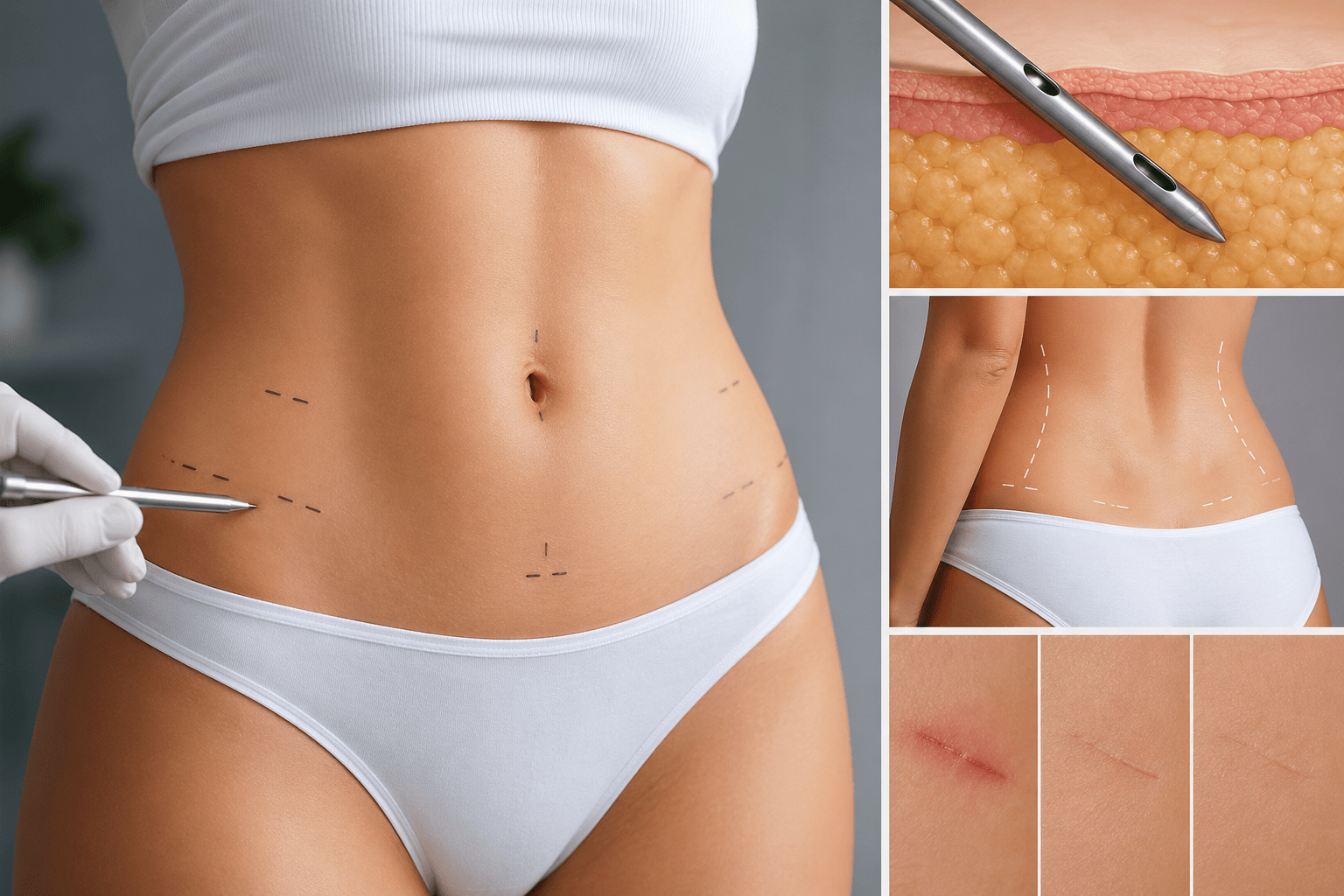
Surgeons perform Lipo 360 using thin tubes (cannulas) inserted through small incisions in the skin. These entry points allow fat removal from multiple angles.
As a result, scars are unavoidable—but they are usually very small.
Most incisions are:
- Only a few millimeters long
- Placed in hidden or natural folds
- Designed to heal with minimal visibility
Where Are Lipo 360 Scars Located?
Scar placement depends on the treatment areas. Typically, surgeons place incisions in discreet locations such as:
- Around the belly button
- Lower abdomen
- Flanks (love handles)
- Lower back
In addition, surgeons often choose areas that are easily covered by underwear or swimwear.
Are Lipo 360 Scars Visible?
In most cases, liposuction scars are barely noticeable once fully healed.
Initially, scars may appear:
- Red or pink
- Slightly raised
- More visible during early healing
However, over time they typically:
- Fade significantly
- Flatten out
- Blend with surrounding skin
For many patients, scars become difficult to see after several months.
How Long Do Lipo 360 Scars Take to Heal?
Scar healing happens gradually and varies by individual.
Typical timeline:
- First few weeks: visible redness and healing
- 1–3 months: scars begin to fade
- 6–12 months: final scar appearance
Therefore, patience is important, as scars continue improving long after the procedure.
How to Minimize Lipo 360 Scars
Although scars cannot be completely avoided, proper care can significantly improve their appearance.
Follow Aftercare Instructions
Always follow your surgeon’s guidance for cleaning and protecting incision sites.
Use Scar Treatments
Silicone gels or sheets may help reduce scar visibility.
Protect Skin From Sun Exposure
Most importantly, avoid sun exposure, as UV rays can darken scars.
Maintain Healthy Skin
Hydration and proper nutrition support better healing.
Do All Patients Scar the Same Way?
No, scar appearance varies depending on several factors:
- Skin type and genetics
- Healing response
- Surgeon technique
- Post-surgery care
For this reason, some patients may develop nearly invisible scars, while others may notice slightly more visible marks.
When Should You Be Concerned About Scarring?
Most scars heal normally. However, you should consult your doctor if you notice:
- Excessive redness or swelling
- Thick or raised scars (keloids)
- Signs of infection
Early intervention can help prevent long-term issues.
Lipo 360 Scars vs Traditional Liposuction
Compared to traditional liposuction, Lipo 360 does not necessarily create larger scars.
Instead, it involves multiple small incisions placed strategically around the body. As a result, scars remain small and discreet, even though more areas are treated.
Final Thoughts
Lipo 360 scars are typically small, well-hidden, and fade significantly over time. While some level of scarring is unavoidable, proper technique and aftercare make them barely noticeable for most patients.
If you are considering the procedure, understanding scar placement and healing can help you feel more confident in your decision.
Medical Reference
American Society of Plastic Surgeons
https://www.plasticsurgery.org
You can also explore clinical research on liposuction techniques through PubMed.